
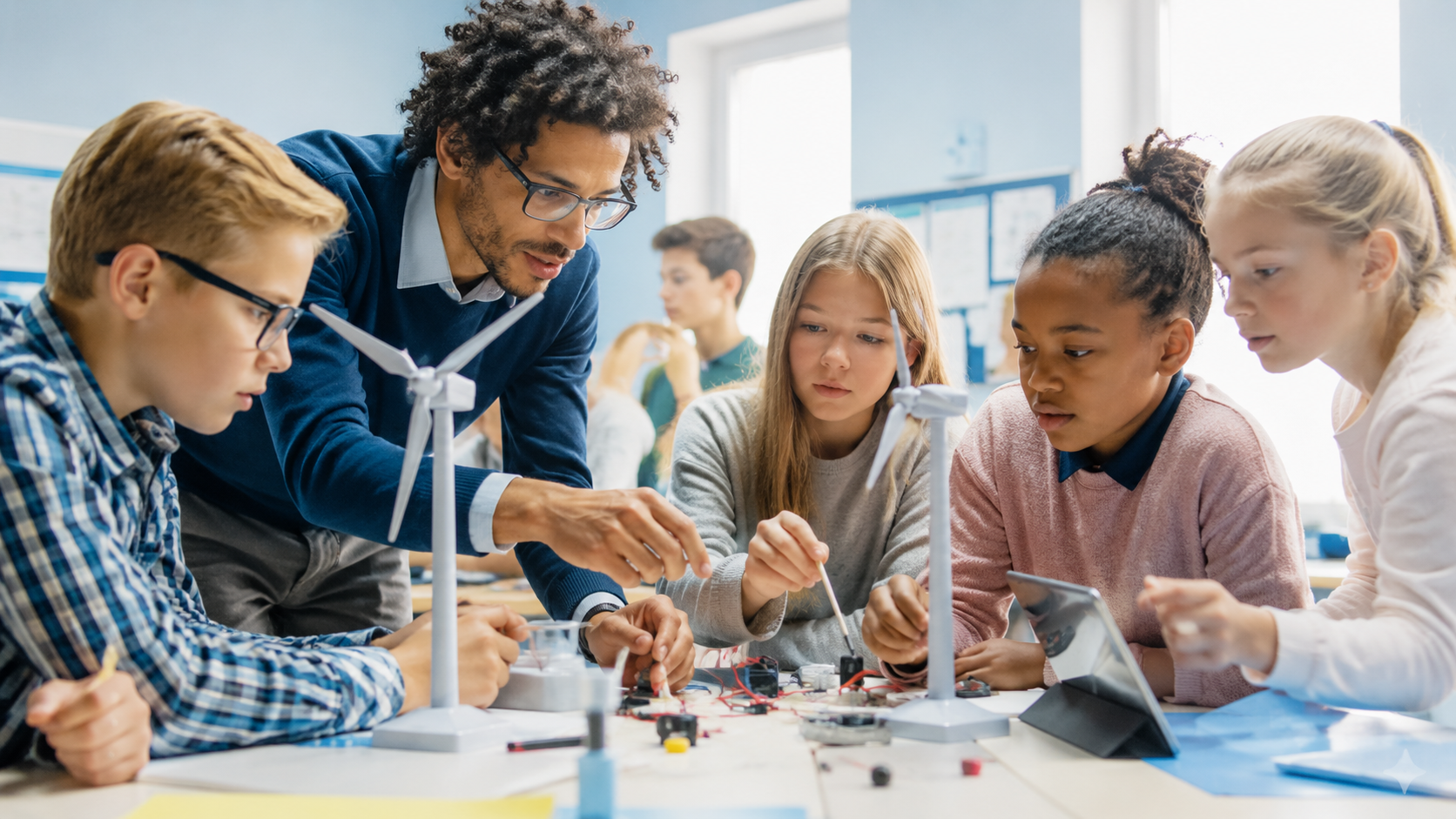
In more classrooms, students are learning through extended projects instead of completing only isolated worksheets. A project may ask a class to design a water-saving garden, produce a neighborhood history podcast, or build a simple machine. The approach connects academic knowledge with a visible problem and a concrete result.
Project-based learning is not an unstructured break from lessons. Teachers begin with clear standards, a central question, and a schedule of checkpoints. Short lectures and reading assignments still matter, but students apply them immediately. Mathematics becomes a tool for calculating costs, writing supports a public proposal, and science guides decisions about materials.
The classroom changes as students research, test ideas, divide responsibilities, and explain choices. A failed model is treated as useful evidence rather than the end of an assignment. Teams revise plans after feedback from classmates or outside experts. Teachers circulate as coaches, asking questions that reveal whether every student understands the underlying concepts.
Supporters say the method strengthens skills that traditional exams do not always capture. Students practice collaboration, time management, and clear communication. A quiet learner may contribute through careful research or visual design, while another becomes an effective presenter. Public exhibitions also give families a better view of what children have learned and how they think.
Digital tools expand the possibilities without replacing hands-on work. Shared documents keep research organized, spreadsheets help compare data, and simple editing software supports videos or podcasts. Some classes exchange findings with schools in other regions. Teachers choose technology according to the problem, avoiding flashy features that add complexity without improving the learning goal.
The model requires careful planning. Group work can hide unequal participation, and ambitious projects may consume more time than expected. Effective teachers assign individual reflections, use progress rubrics, and build in smaller assessments. Schools also need inexpensive materials and flexible spaces so project learning does not depend on a large budget.
When projects are designed well, students remember more than a finished poster. They see why subjects connect and learn how knowledge can change a real situation. The movement is growing because it combines academic rigor with curiosity. Its success, however, still depends on strong teaching, clear expectations, and meaningful questions.
For institutions interested in modern education, the most useful first step is a small, carefully evaluated pilot. Clear goals, feedback from participants, and transparent results make it easier to improve the work before expanding it. That measured approach also helps communities direct limited time and funding toward methods that produce lasting public value.