
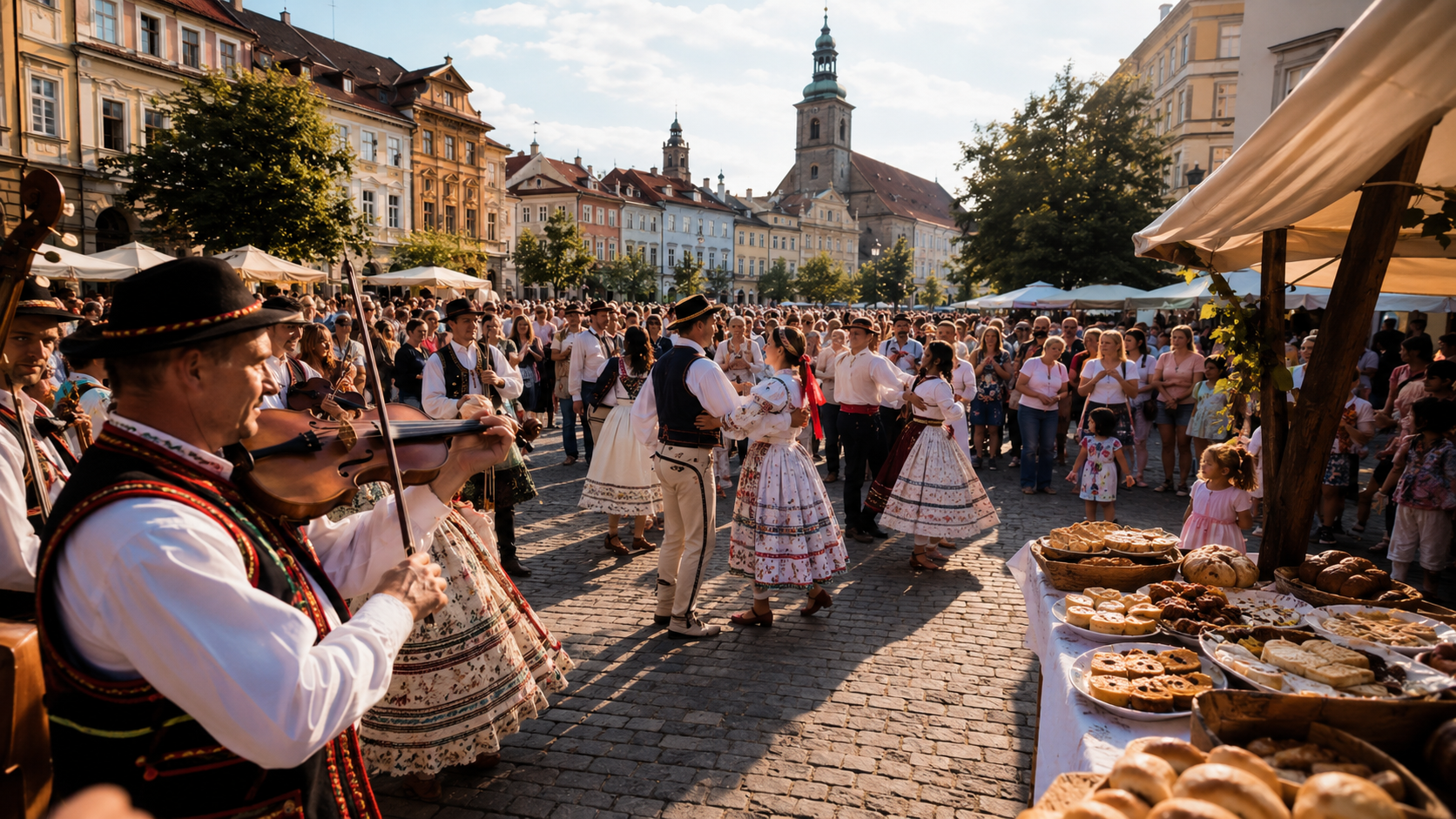
Local festivals remain crowded even as entertainment becomes more global and digital. A neighborhood celebration may center on harvest, music, food, craft, faith, or a historic event, but its wider purpose is social. It gives residents a shared calendar, a public stage, and a reason to participate in the place where they live.
Preparation often begins months before visitors arrive. Volunteers plan routes, rehearse performances, decorate streets, organize safety, and invite vendors. Schools teach songs or dances, while older residents explain customs that are not recorded in official histories. The work itself builds relationships among people who might otherwise meet only briefly.
Festivals also allow traditions to change in public. Young musicians combine inherited melodies with contemporary styles, cooks adapt familiar recipes, and artists reinterpret symbols for new audiences. This flexibility is important. A tradition that cannot respond to its community risks becoming a museum display rather than a living practice.
For newcomers, the event can offer an accessible introduction to local life. Watching is easy, but many festivals also create volunteer roles, open workshops, and multilingual information. These choices determine whether celebration strengthens belonging or simply divides insiders from tourists. Inclusive organizers explain meaning without demanding that every participant share the same background.
Digital promotion can attract visitors and document performances, yet the most valuable experience remains physical and collective. Livestreams help distant families participate, online schedules reduce confusion, and archives preserve memories. Organizers increasingly use ticket data and surveys to manage crowds, while trying not to turn a community event into a commercial product.
Success brings pressure. Large crowds create waste, noise, rising prices, and strain on historic spaces. Sponsorship may improve funding but influence programming. Responsible festivals limit disposable materials, support local vendors, publish transparent budgets, and consult residents after the event. They also protect performers from having cultural work copied without credit.
In a globalized world, local identity does not need to mean isolation. Festivals can welcome outside influences while giving a community space to decide how it represents itself. Their importance lies less in spectacle than in repeated cooperation. Each annual edition renews skills, stories, and relationships that ordinary daily routines may leave invisible.
For institutions interested in local festivals, the most useful first step is a small, carefully evaluated pilot. Clear goals, feedback from participants, and transparent results make it easier to improve the work before expanding it. That measured approach also helps communities direct limited time and funding toward methods that produce lasting public value.